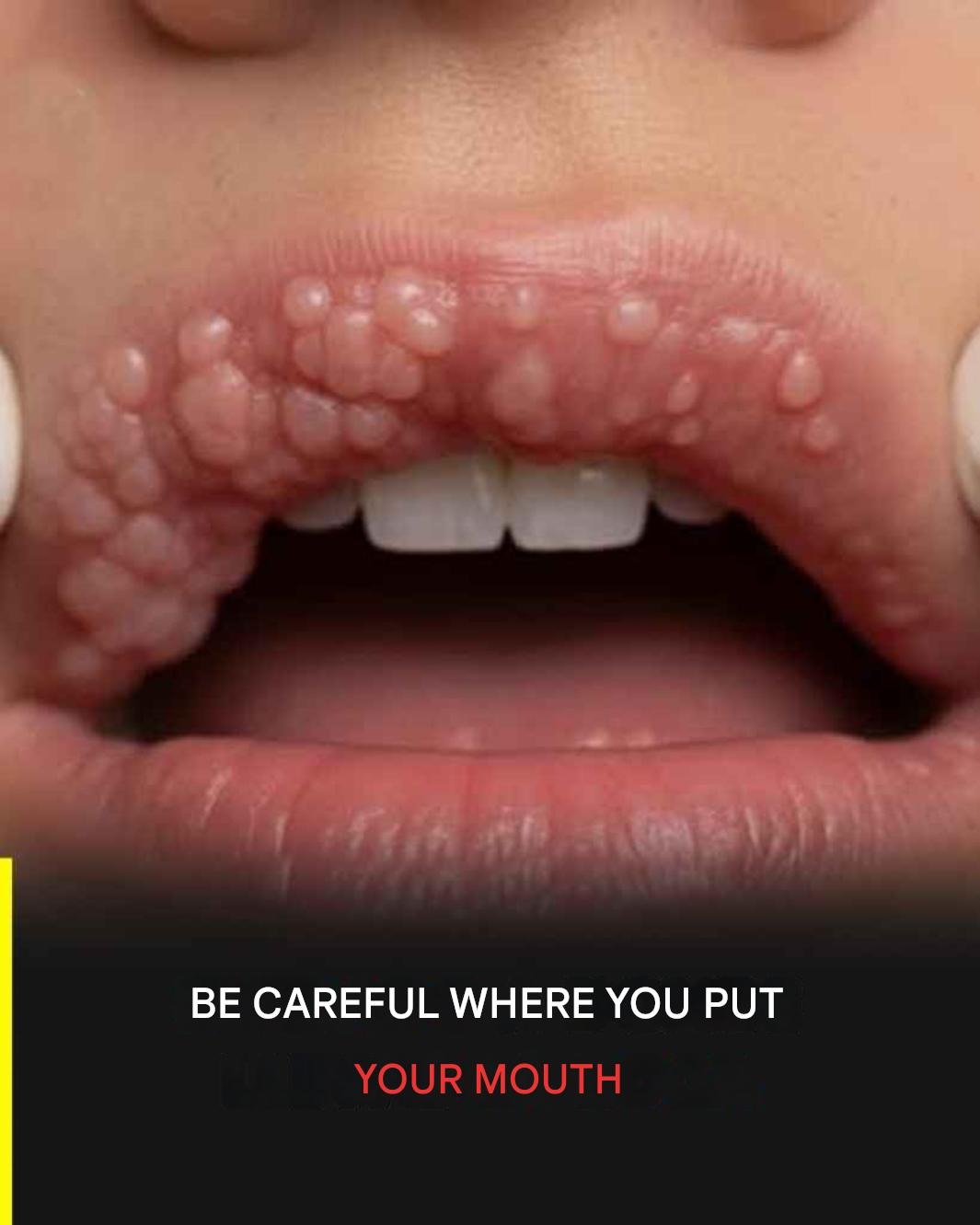
However, the impact of HPV is not limited to cervical cancer. It can also cause other types of cancer in both sexes, such as anal, penile, vulvar, vaginal, and oropharyngeal cancers. Hence the importance of knowing the methods of prevention and early diagnosis.
How to prevent HPV?
While there is no specific treatment to eliminate HPV, its consequences can be prevented. Prevention is divided into two types:
Primary prevention: This focuses on preventing infection before it occurs, using two fundamental tools:
Comprehensive Sexuality Education (CSE): Providing information on sexual and reproductive health is key to reducing the transmission of HPV and other sexually transmitted infections.
Vaccination: The HPV vaccine is included in the national immunization schedule and is administered free of charge to 11-year-old girls and boys. It is also available to other at-risk populations. Vaccination protects against the most dangerous types of HPV, significantly reducing the risk of developing cancers related to this virus.
Secondary prevention: This involves the early detection of lesions that could develop into cancer. There are two main tests for this:
Pap smear (Pap test): This detects cellular changes in the cervix before they become cancerous. It is recommended to have it regularly starting at age 25.
HPV test: This detects the presence of high-risk HPV types in the cervix. It is a complementary method to the Pap smear and is recommended starting at age 30.
