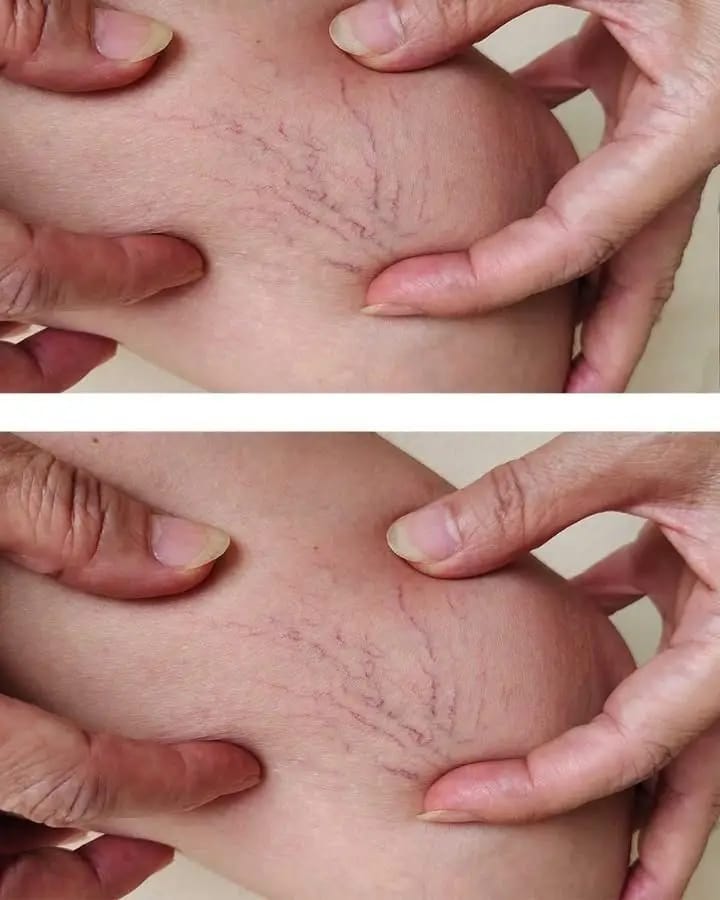
Sudden pain, warmth, or swelling in the leg (could signal a clot).
Red veins that are raised, hard, or tender to touch.
Fever, chills, or red streaks moving upward (possible infection).
Ulcers, sores, or skin darkening near the veins.
Significant swelling or color change in one leg only.
If none of these apply, it’s reasonable to manage symptoms and monitor until your scheduled doctor’s appointment.
4. What you can do right now (home and lifestyle care)
Here’s a comprehensive plan—essentially a “recipe” for care—until you can see your doctor.
Step 1: Support circulation daily
Elevate your legs – Raise them above heart level for 10–15 minutes, several times a day. This helps drain pooled blood and reduce pressure in leg veins.
Move frequently – If you sit a lot, stand up and stretch every 30–45 minutes. If you stand a lot, sit and elevate occasionally.
Gentle walking – Walking pumps the calf muscles, which act like a second heart, pushing blood back up.
Step 2: Wear compression stockings
