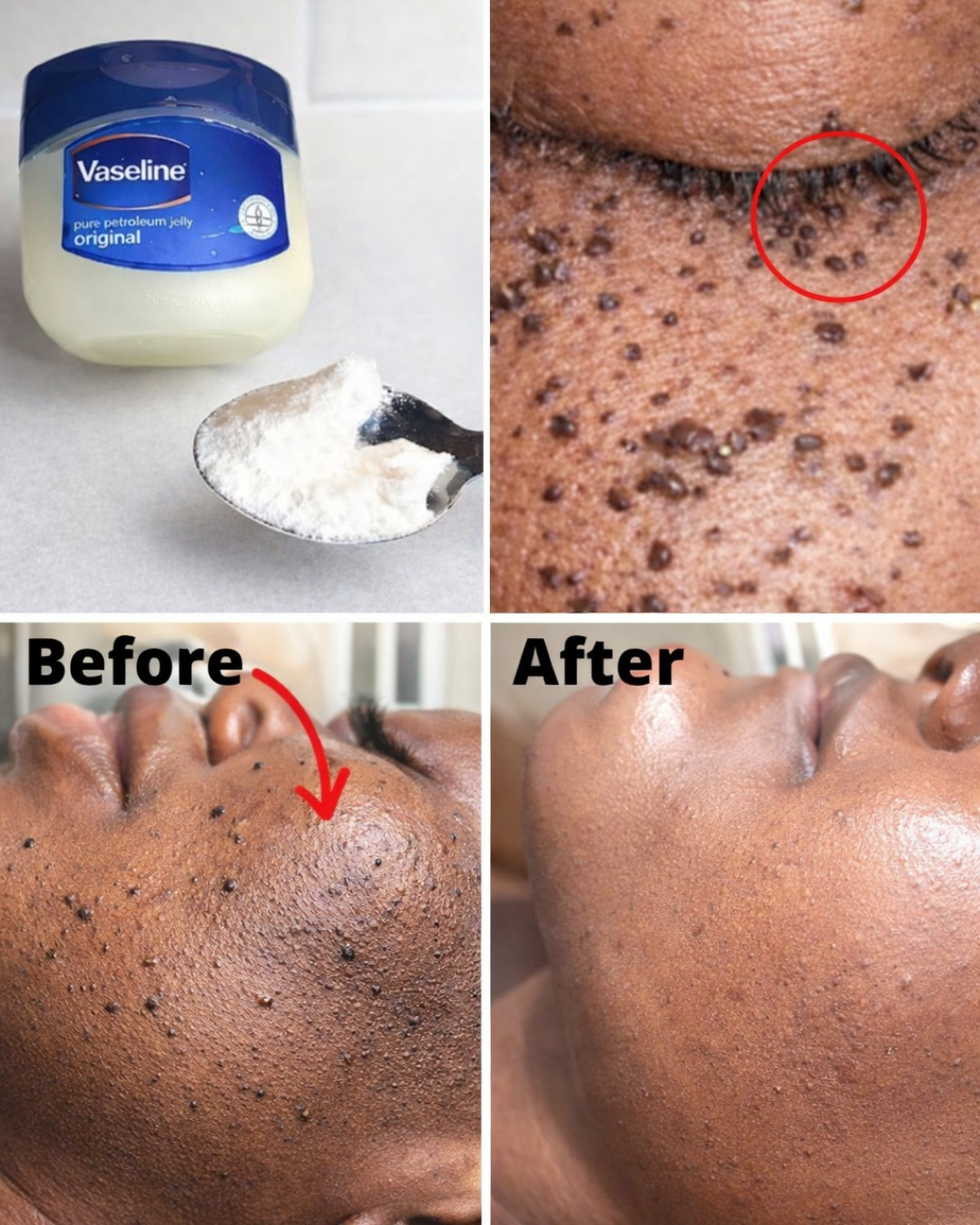
Milia form when dead skin cells and keratin become trapped under the epidermis, hardening into tiny, pearl-like cysts. They’re most noticeable around the delicate eye area, cheeks, and forehead because the skin there is thinner and turns over more slowly.
There are a few main types:
Unlock the Hidden Power of Moringa Seeds: 12 Life-Changing Benefits You Need to Know
Primary milia: These appear spontaneously and are common in both children and adults, often on the face or genitals.
Secondary milia: These develop after skin trauma, such as burns, rashes, prolonged sun exposure, or heavy use of occlusive products like thick creams.
Neonatal milia: Very common in newborns (affecting up to 40-50% of infants), usually resolving on their own without treatment.
Common triggers in adults include sun damage, long-term topical steroid use, or heavy, pore-trapping moisturizers—especially around the eyes. Dermatologists note that occlusive ingredients (like petroleum jelly in excess) can block natural exfoliation, trapping keratin and contributing to formation. They’re not contagious, not painful, and generally harmless, but their persistence can affect confidence.
Why Viral “Overnight” Mixes Like Vaseline + Scrubs Often Backfire
Social media is full of quick-fix recipes—Vaseline mixed with sugar scrubs, baking soda pastes, or heavy occlusives promising fast removal. But dermatologists warn these can do the opposite.
Vaseline (petroleum jelly) is highly occlusive, meaning it seals the skin and prevents natural shedding. While great for very dry patches elsewhere, applying it thickly around the eyes can trap keratin and encourage more milia, according to expert insights. Abrasive scrubs (coffee grounds, baking soda) disrupt the skin’s pH and barrier, leading to dryness, redness, or irritation that might trigger secondary milia.
