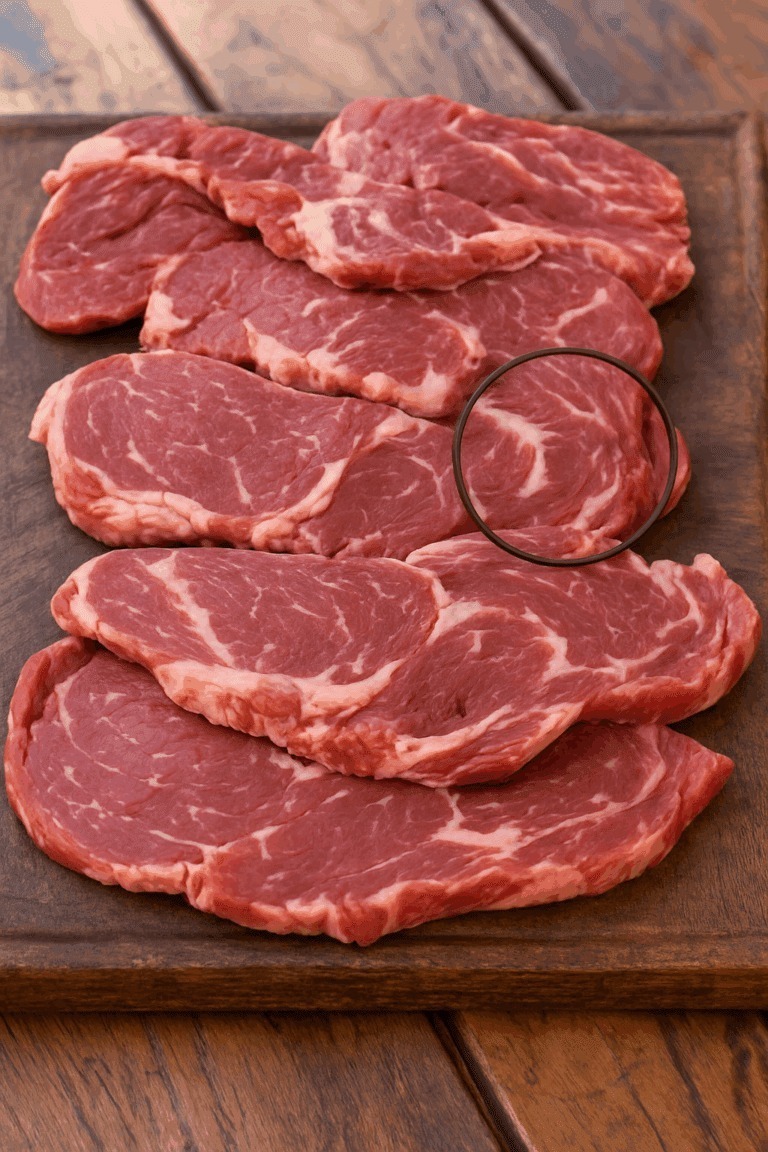
8. The Use-By Date
The use-by date is far more critical than the sell-by date. It tells you when the meat will begin to spoil, and you should consume it by this date at the latest. After the use-by date has passed, the risk of consuming spoiled meat increases significantly. Ground meat is especially prone to spoilage due to its increased surface area and the handling it undergoes.
9. Inspect the Packaging
Image Source: Supply Chain Brain
Check the packaging carefully for any damage or signs of contamination. While packaging issues might not directly affect the meat’s quality, they can indicate how well the meat was handled. If the packaging is dirty or damaged, it’s possible that the meat was exposed to harmful conditions, which could lead to spoilage.
10. Proper Storage at the Store
Image Source: Supermarket News
It’s not just about the meat itself — how it’s stored in the store matters too. If the temperature in the fridge or freezer section seems higher than normal or if water is leaking from freezers, it could mean the meat isn’t being stored properly. This can result in meat that’s less fresh or even spoiled, so always pay attention to the store’s storage conditions.
11. Ask the Butcher for Advice
Your butcher is your best resource when shopping for fresh meat. Don’t hesitate to ask them questions about the freshest cuts available, how to prepare certain meats, or even what to buy for your specific dish. Butchers are also happy to offer advice on cooking methods and may even provide discounts if you buy in bulk.
