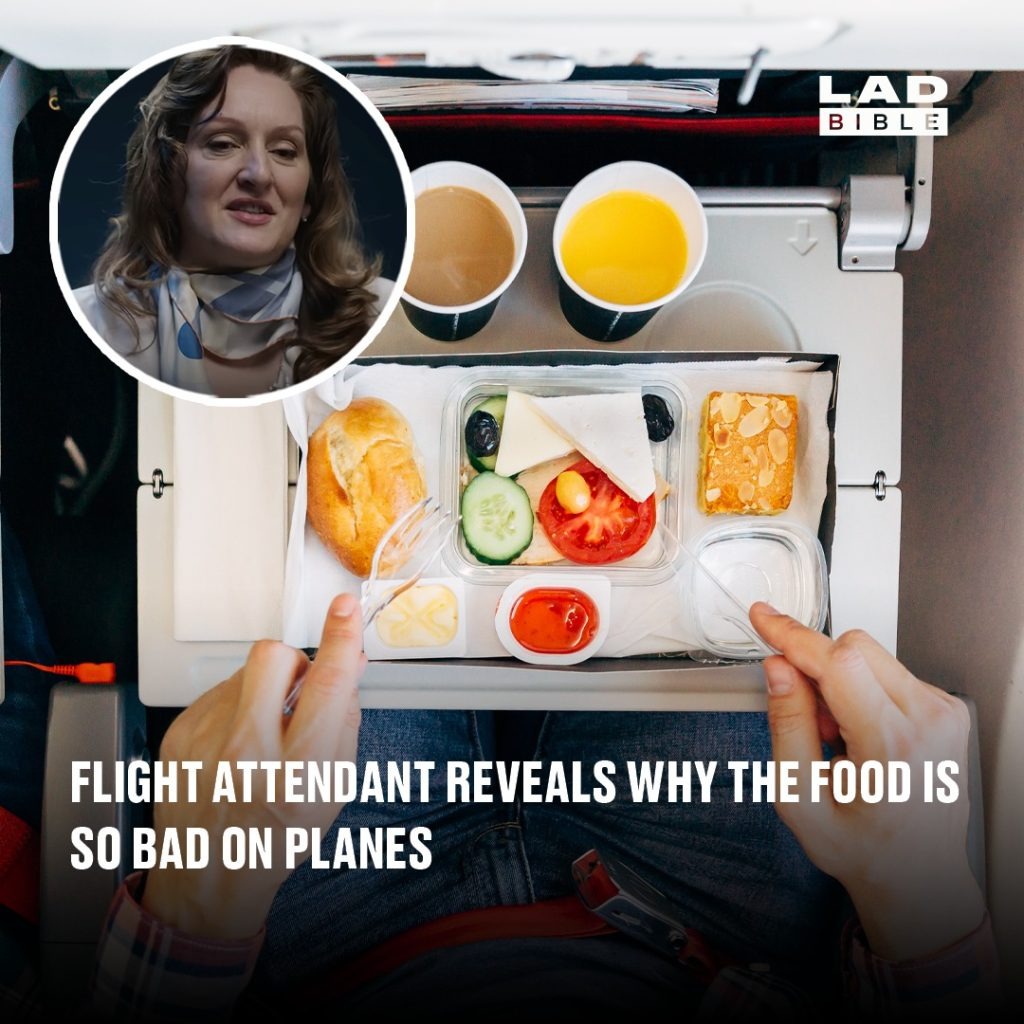
Flight Attendant Explains Why Airplane Food Tastes So Bad
If you’ve ever taken a bite of an in-flight meal and thought, Why does this taste so bland?—you’re not imagining things. The issue isn’t lazy chefs or cheap ingredients. It’s the unique environment inside the aircraft cabin that changes the way your body experiences flavor.
At cruising altitude, a combination of dry air, lower pressure, and constant background noise works against your taste buds in ways most travelers never realize.
Dry Cabin Air Dulls Your Senses
Aircraft cabins typically have a humidity level of just 12–15%, which is comparable to some of the world’s driest deserts. This extremely dry air comes from compressed, filtered cabin airflow that keeps passengers safe—but not comfortable.
The result? Your mouth, nose, and bronchial passages dry out, limiting the effectiveness of your taste and smell receptors. Since flavor is largely driven by smell, even well-seasoned food can seem flat in the air.
