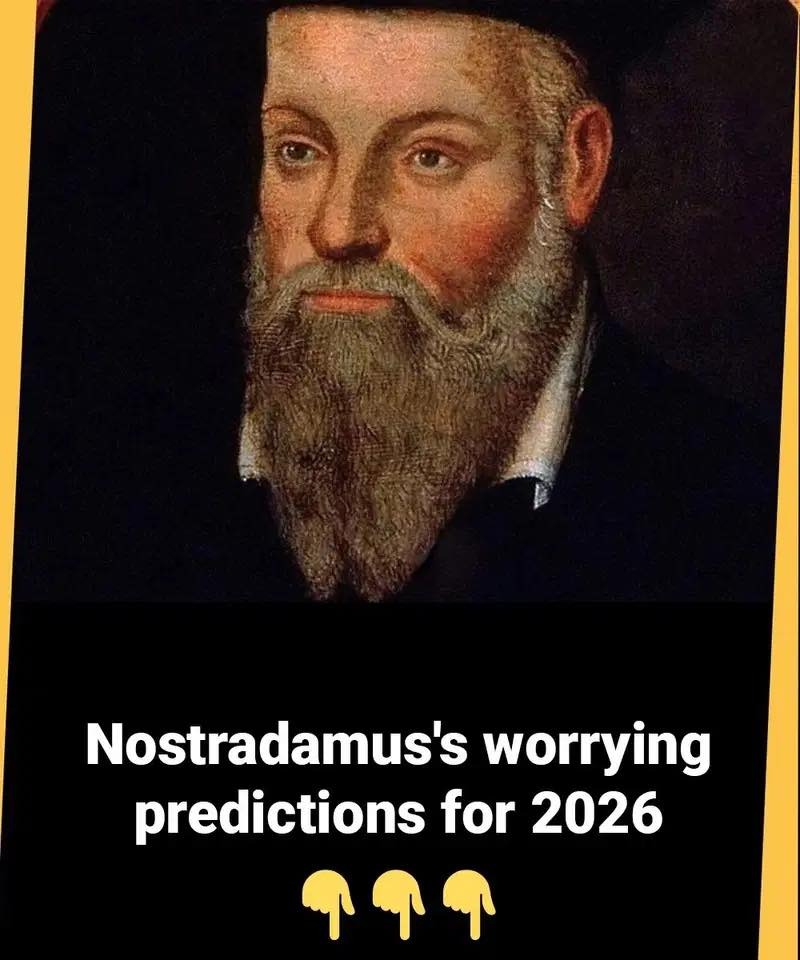
When a new year approaches, interest in Nostradamus predictions always seems to rise, and talk of “Nostradamus predictions 2026” is no exception. The 16th-century French astrologer and writer Michel de Nostredame, known to history as Nostradamus, left behind hundreds of short, mysterious verses called quatrains. Over the centuries, many people have tried to match those verses to modern events, hoping they reveal something about the future.
For 2026, several of these Nostradamus quatrains are being highlighted and interpreted in ways that can sound dramatic or even unsettling. But before anyone lets fear take over, it helps to step back, understand where these lines come from, how symbolic they are, and how they might be read in a more grounded, thoughtful way.
Below, we look at the main Nostradamus predictions people link to 2026, explore what they say, and consider how they might fit into a contemporary context without losing sight of perspective or peace of mind.
Who Was Nostradamus, Really?
Nostradamus lived in 16th-century France, working as a physician, astrologer, and writer. In his forties, he began publishing his famous quatrains: four-line poems written in a mix of French, Latin, and other languages. They are full of images, symbols, and references that can be interpreted in many ways.
