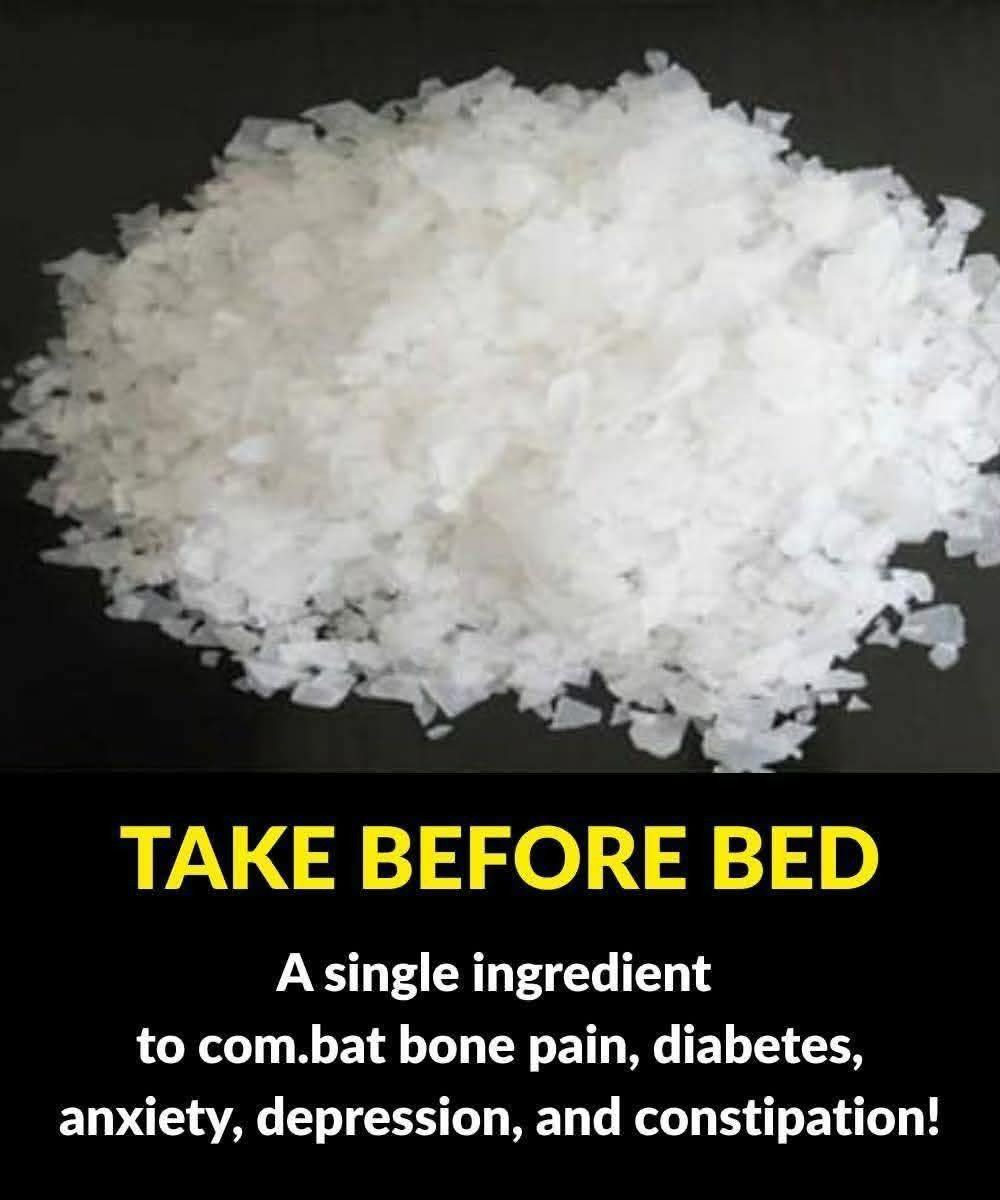
- Magnesium draws water into the colon and relaxes intestinal muscles
- Magnesium citrate or oxide are common OTC remedies for occasional constipation
✅ Effective short-term
⚠️ Not for long-term use without medical guidance
🩺 Best for: Occasional relief — not chronic gut disorders
2. Muscle Cramps & Bone/Joint Discomfort
- Low magnesium may contribute to leg cramps, especially at night
- Often seen in older adults, pregnant women, or those with poor diets
💡 Studies show mixed results — but some find relief with supplementation
✅ Combine with calcium and vitamin D for better bone support
3. Anxiety & Mild Stress
- Magnesium influences GABA receptors, which calm the nervous system
- Observational studies link low intake with higher anxiety levels
🧠 Small trials suggest magnesium glycinate or L-threonate may help mild anxiety — but not clinical depression
❌ Not a replacement for therapy or medication
4. Type 2 Diabetes & Insulin Resistance
- Many people with type 2 diabetes have lower magnesium levels
- Deficiency may worsen insulin resistance
📊 Some research shows supplementation improves blood sugar control — modestly
🩺 Always use alongside diet, exercise, and prescribed treatment — never as a substitute
5. Sleep Issues
- Magnesium helps regulate melatonin and calm nerve activity
- Supplements like magnesium glycinate are popular for promoting restful sleep
✅ Safe and gentle for many — especially when combined with good sleep hygiene
⚠️ Who Might Be Low in Magnesium?
Certain groups are more likely to have inadequate levels:
🩸 Blood tests (serum magnesium) can check levels — though they don’t always reflect total body stores.
🍽️ How to Get More Magnesium Safely
1. Through Food (Best Option)
Rich sources include:
- Spinach, kale, Swiss chard
- Pumpkin seeds, almonds, cashews
- Black beans, edamame, avocado
- Whole grains (oats, brown rice)
- Dark chocolate (70%+ cocoa)
✅ Eat a varied, plant-rich diet for steady intake.
2. Supplements (When Needed)
Common forms:
⚠️ Avoid excessive doses — can cause diarrhea, nausea, or interact with medications.
❌ Debunking the Myths
🚫 Never self-treat serious conditions with supplements alone.
Final Thoughts
You don’t need to believe in miracle minerals to appreciate magnesium’s quiet power.
It won’t erase depression. It won’t reverse diabetes. But when you’re low — and eat more greens, nuts, and seeds — you might notice:
- Fewer nighttime cramps
- Easier digestion
- Calmer nerves
- Better sleep
And that kind of subtle shift? That’s where real health begins.
So honor your body. Eat well. Talk to your doctor if something feels off.
Because wellness isn’t loud. It’s gentle. And sometimes, it starts with a single mineral — working quietly, every second of every day.
